
BhaktiSanctum
Mantra hall
Yantra
A yantra is the geometric seat of a mantra. Each plate below belongs to one deity. Maa Durga, Maa Lakshmi, and Maa Kali do not share a diagram. The Shri Yantra belongs to Maa Tripura Sundari alone: nine triangles, four upward and five downward, with the sixteen-petal lotus, the eight-petal lotus, and the four gates.

Shri Yantra
Maa Tripura Sundari
Nine triangles: four of Shiva pointing upward, five of Shakti pointing downward, meeting in forty-three corners. Around them an eight-petal lotus, a sixteen-petal lotus, three circles, and the bhupura with four gates. The bindu is the ninth enclosure. This plate is drawn from that geometry. A painted star of two triangles is not this yantra.
Mantra
क ए ई ल ह्रीं । ह स क ह ल ह्रीं । स क ल ह्रीं ॥
Ka e ī la hrīṃ. Ha sa ka ha la hrīṃ. Sa ka la hrīṃ.
Sthapana
Place the yantra on a clean seat, facing east, with a lamp before it. The Panchadashi is the mantra of this chakra in the Sri Vidya tradition. A guru gives the full nyasa. What is written here is the geometry and the mantra, not an initiation.
Puja
Offer water, sandal, a red flower, and the mantra. Circumambulate the gates in the mind: east, south, west, north. Close by bowing to the bindu.
Phala
The tradition names this the seat of Maa Lalita Tripura Sundari. The fruit spoken of in the Soundarya Lahari is her grace, not a bargain.
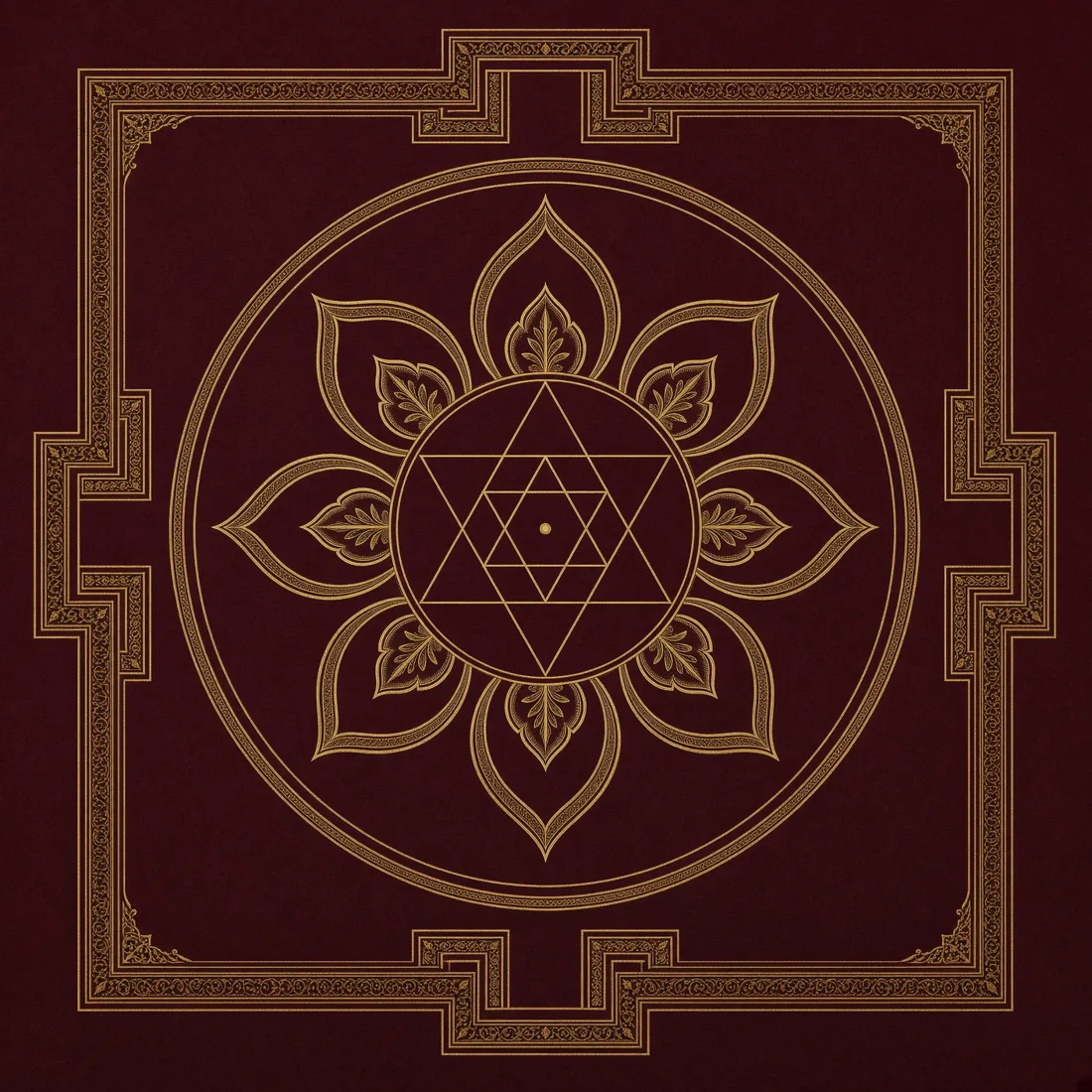
Yantra of Shri Ganesha
Shri Ganesha
Bhupura with four gates, a circle, eight lotus petals, and the shatkona of two triangles with the bindu.
Mantra
ॐ गं गणपतये नमः ॥
Om Gam Ganapataye Namah.
Sthapana
Set the plate at the start of the altar, before every other yantra. Thursday or the fourth lunar day is dear to him.
Puja
Durva, a modak or a little jaggery, a lamp, and one mala of the mantra.
Phala
The tradition asks him to remove the obstacle in the work and to steady the mind before the rest of the puja.
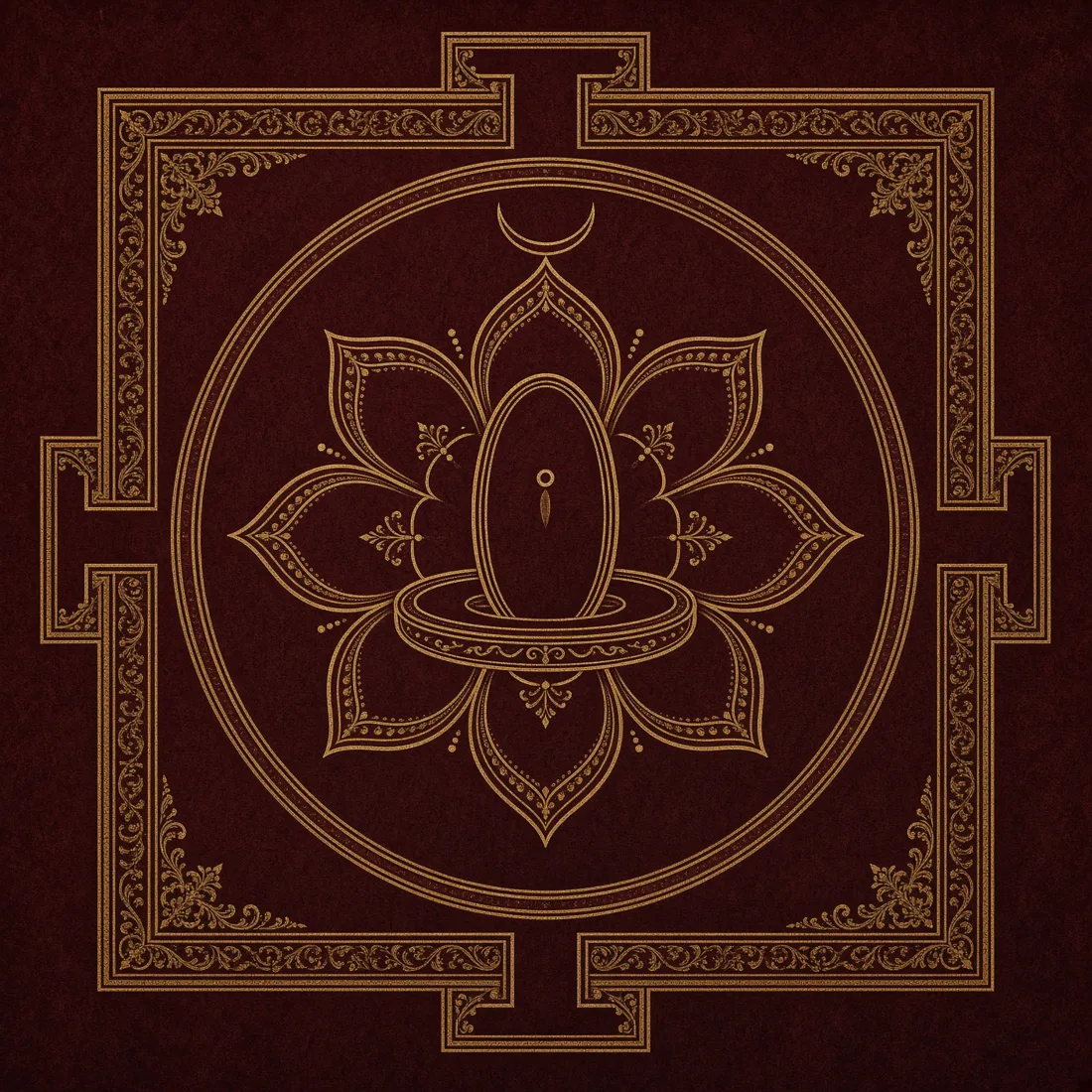
Yantra of Bhagwan Shri Shiva
Bhagwan Shri Shiva
Bhupura with four gates, eight lotus petals, the linga seated on the yoni, the crescent, and the bindu. The twelve Jyotirlingas are twelve seats of this same Lord, so they keep this yantra and not twelve others.
Mantra
ॐ नमः शिवाय ॥
Om Namah Shivaya.
Sthapana
Place it facing east or north. Monday and Shivaratri are the days the house already knows.
Puja
Water, bel, a white flower, bhasma if the house keeps it, and the five-syllable mantra.
Phala
The phala named with this yantra is the peace of the auspicious one, the same Lord who holds the poison and the river.
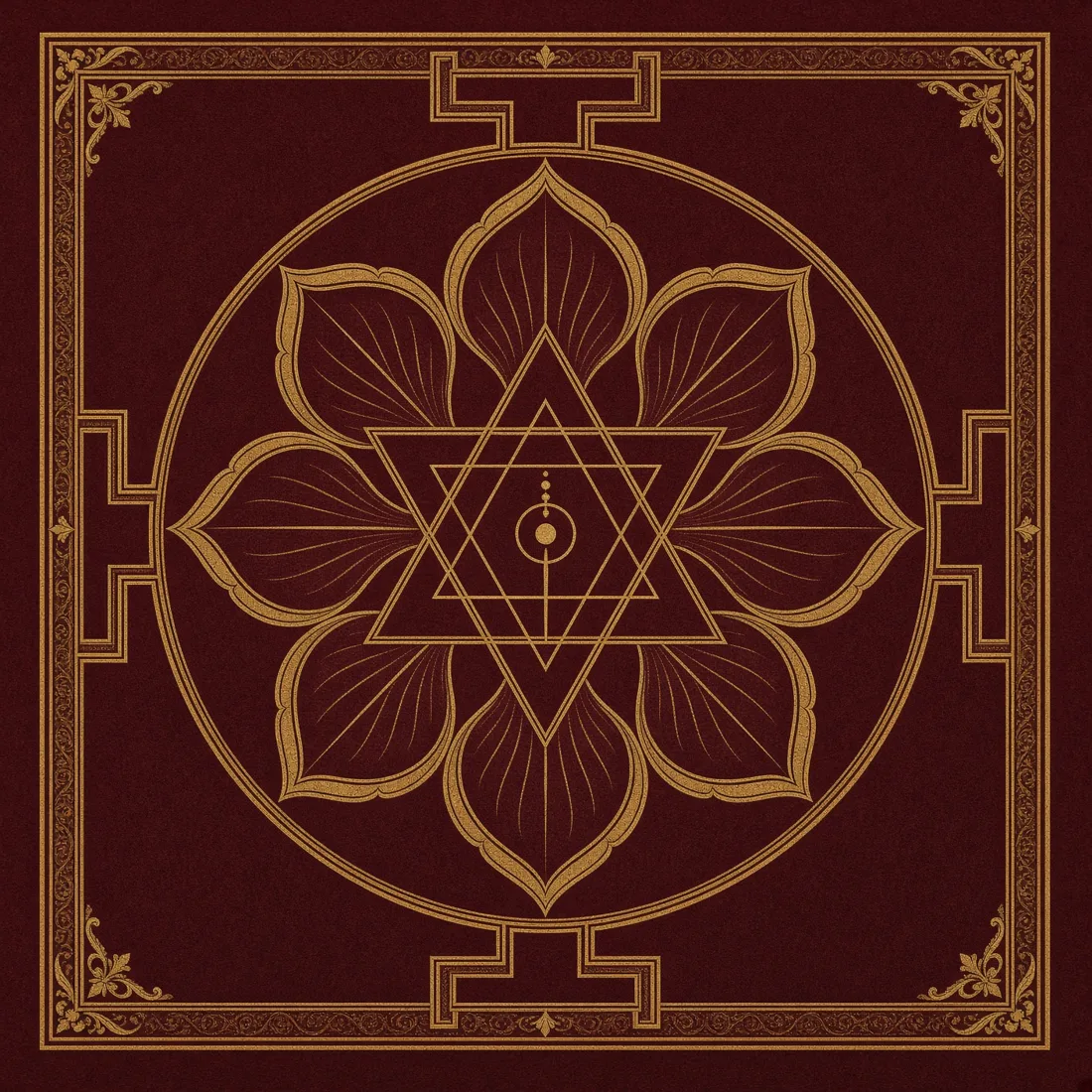
Yantra of Shri Vishnu
Shri Vishnu
Bhupura with four gates, eight lotus petals, the shatkona, and the vertical mark with the bindu. The avataras keep this yantra because they are this same Bhagwan.
Mantra
ॐ नमो नारायणाय ॥
Om Namo Narayanaya.
Sthapana
Place it where the tulsi and the lamp already stand. Thursday is the day many houses choose.
Puja
Tulsi, a yellow flower, water, and the eight-syllable mantra or Om Namo Narayanaya.
Phala
The tradition calls this the seat of the Preserver. The fruit is remembrance of him.
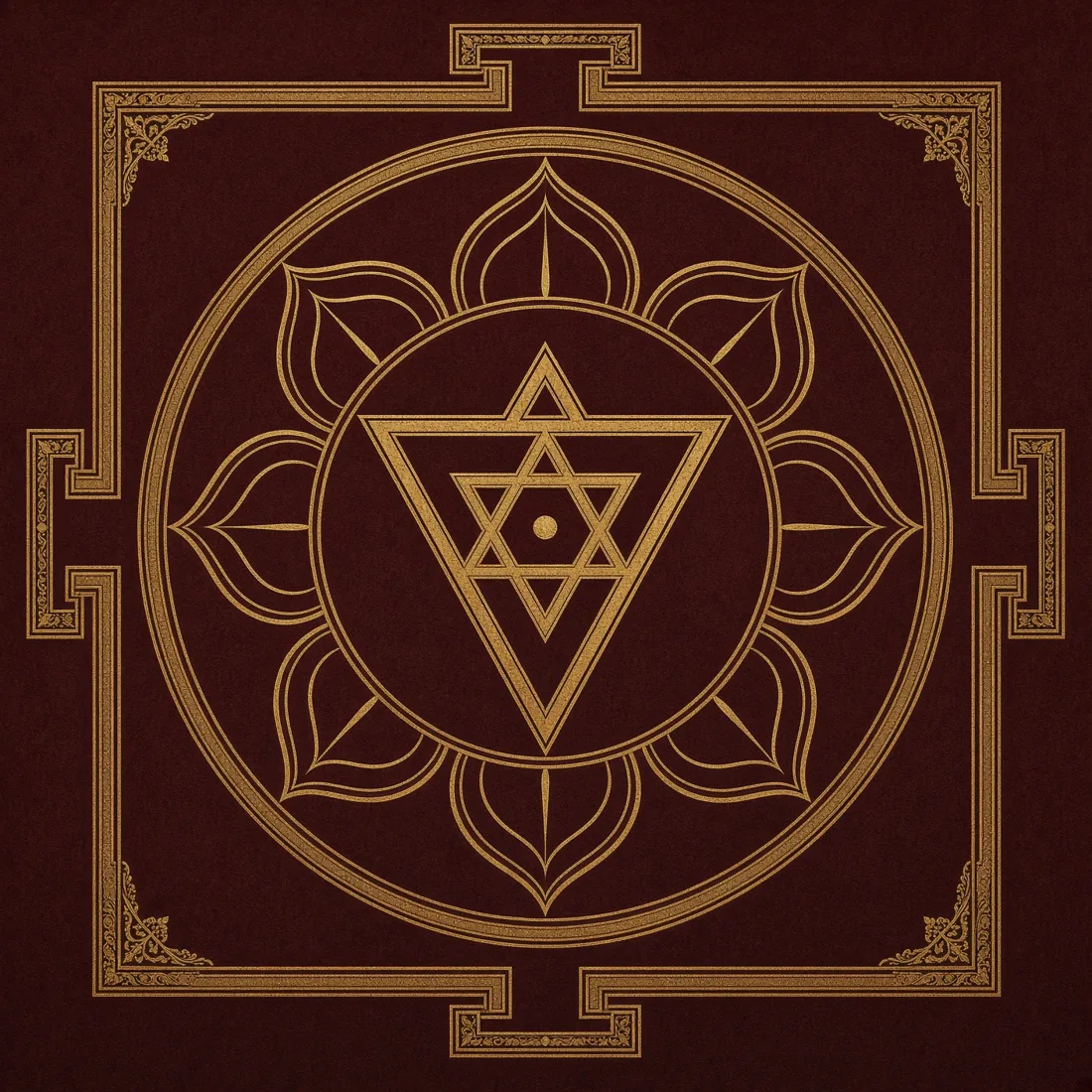
Yantra of Maa Durga
Maa Durga
Bhupura with four gates, eight lotus petals, and the downward triangle holding the inner star and the bindu. This is not the yantra of Maa Lakshmi and not the yantra of Maa Kali.
Mantra
ॐ दुं दुर्गायै नमः ॥
Om Dum Durgayai Namah.
Sthapana
Place it for the nine nights, or on a Tuesday or Friday, with a lamp that stays till the reading is done.
Puja
Red flower, kumkum, and the bija. Name the night's form if the vow is Navaratri.
Phala
The Devi Mahatmya asks her protection against adharma. That is the fruit named here.
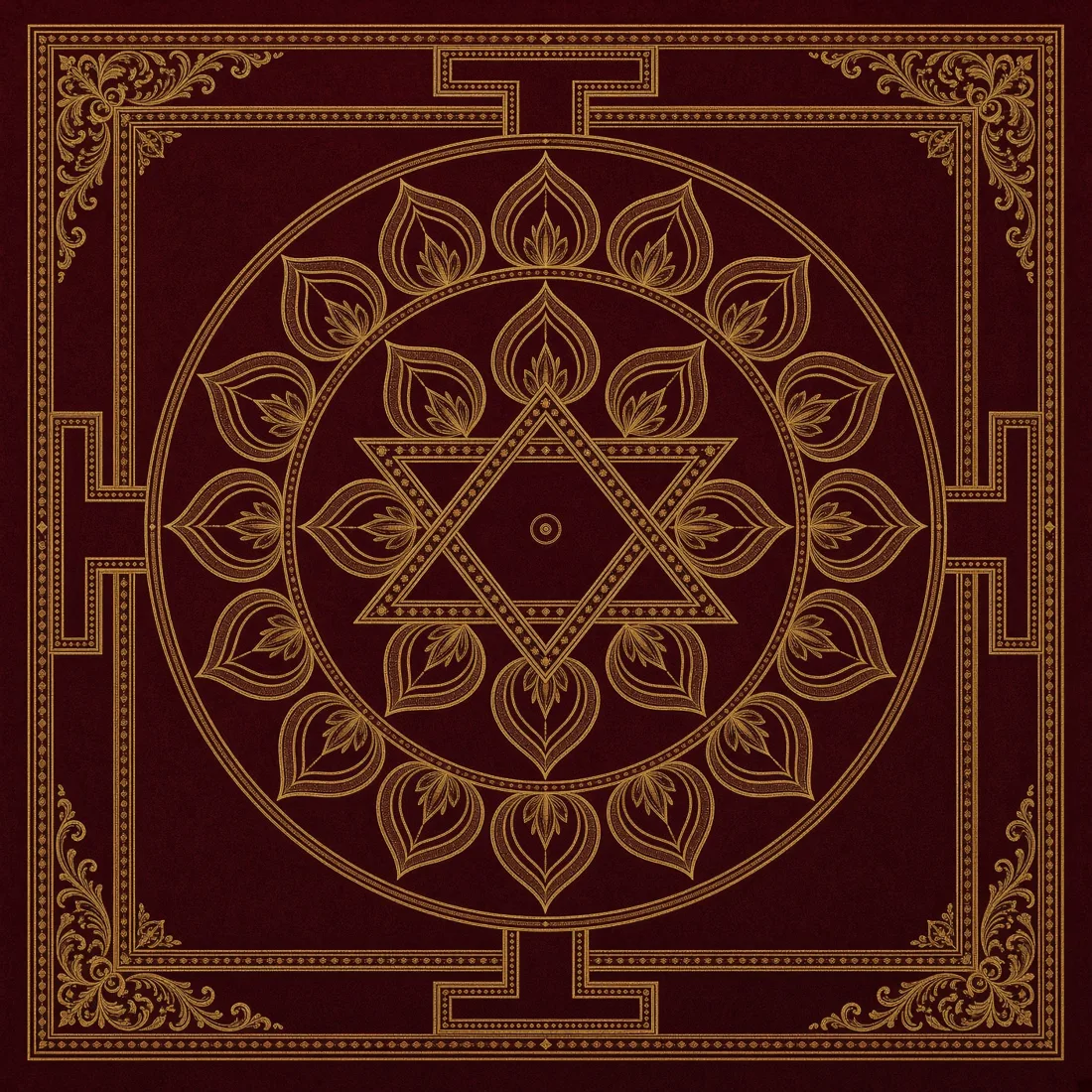
Yantra of Maa Lakshmi
Maa Lakshmi
Bhupura with four gates, a ring of sixteen lotus petals, a ring of eight, and the star with the bindu. This plate is hers alone. It is not given to Maa Durga or to Maa Kali.
Mantra
ॐ श्रीं महालक्ष्म्यै नमः ॥
Om Shreem Mahalakshmyai Namah.
Sthapana
Place it in the clean room of the house on a Friday, or on Diwali night, above the level of the feet.
Puja
Lotus or any white or pink flower, a little sandal, a lamp, and the bija Shreem.
Phala
The tradition asks her for a household that is prosperous and not cruel. The fruit is her glance, Sri.

Yantra of Maa Kali
Maa Kali
Bhupura with four gates, eight lotus petals, and downward triangles only, around the bindu. No upward star. This is not the Shri Yantra and not the yantra of Maa Durga or Maa Lakshmi.
Mantra
ॐ क्रीं कालीकायै नमः ॥
Om Kreem Kalikayai Namah.
Sthapana
Place it where the house already keeps her picture. Amavasya and the eighth night of Navaratri are remembered with her.
Puja
A red flower, a lamp, and the bija. The worship is of the Mother who ends fear.
Phala
The tradition names fearlessness and the cutting of what is false. The fruit is her name, spoken steadily.
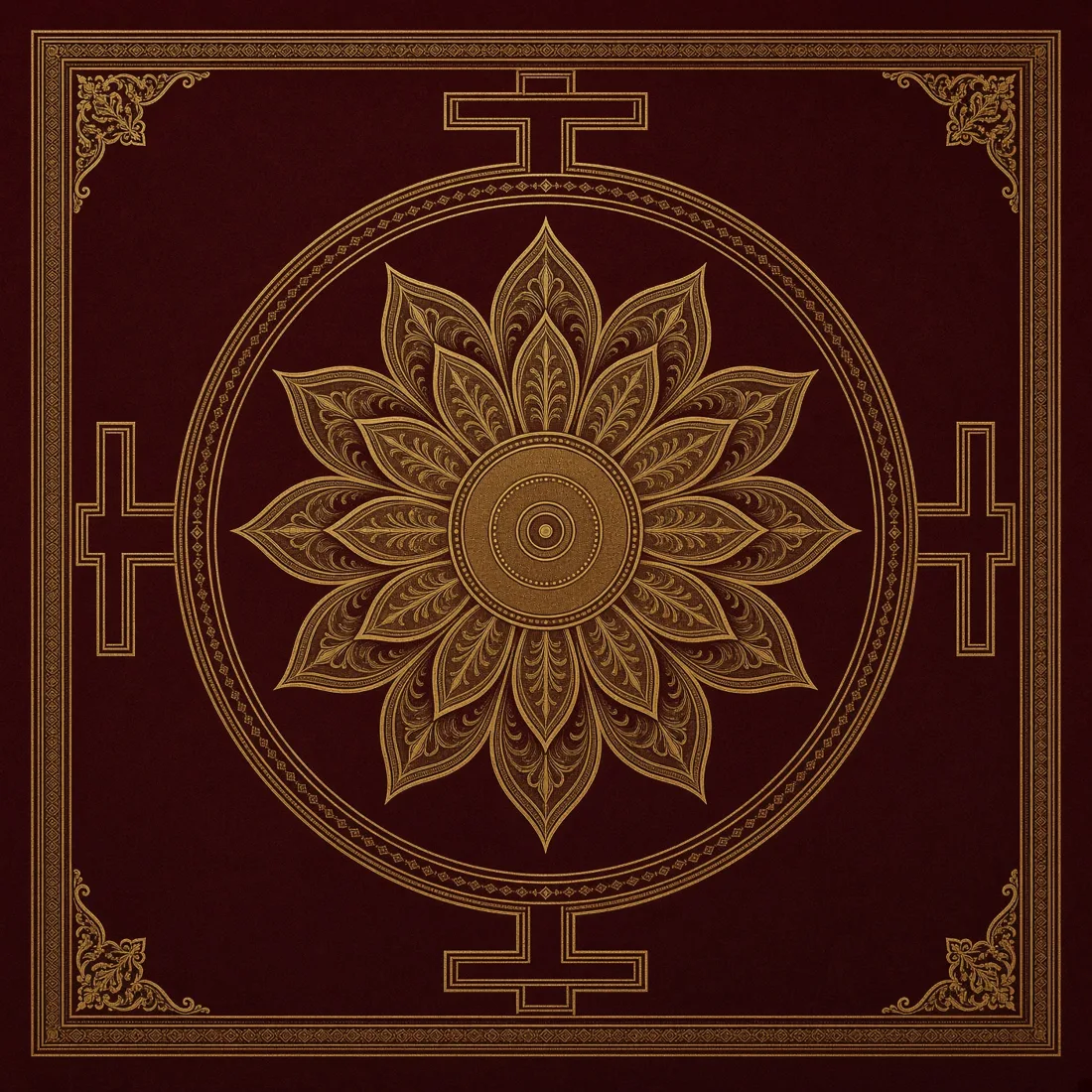
Yantra of Shri Surya
Shri Surya
Bhupura with four gates and twelve lotus petals, one for each month, around the bindu.
Mantra
ॐ घृणिः सूर्याय नमः ॥
Om Ghrinih Suryaya Namah.
Sthapana
Place it where the morning light falls. Sunday is his day. Offer the arghya to the sun, and keep the yantra on the altar.
Puja
Water from a copper vessel, a red flower, and the Gayatri or this bija.
Phala
The tradition asks him for sight, vitality, and a day that begins in truth.
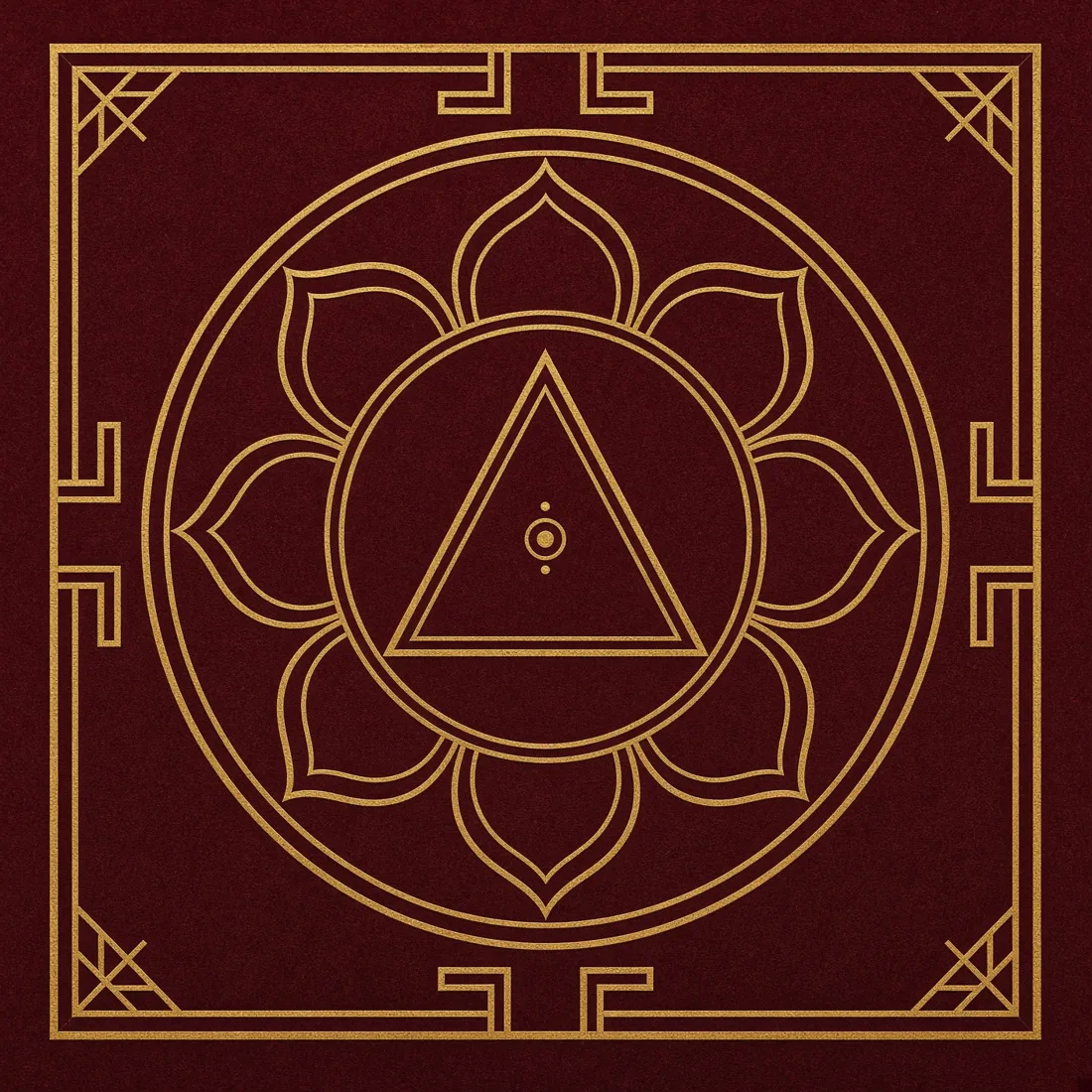
Yantra of Maa Saraswati
Maa Saraswati
Bhupura with four gates, eight lotus petals, and a single upward triangle with the bindu.
Mantra
ॐ ऐं सरस्वत्यै नमः ॥
Om Aim Saraswatyai Namah.
Sthapana
Place it by the books on Vasant Panchami, or on any morning of study.
Puja
A white flower, a little sandal, and the bija Aim before the lesson.
Phala
The tradition asks her for speech that is clear and learning that is humble.
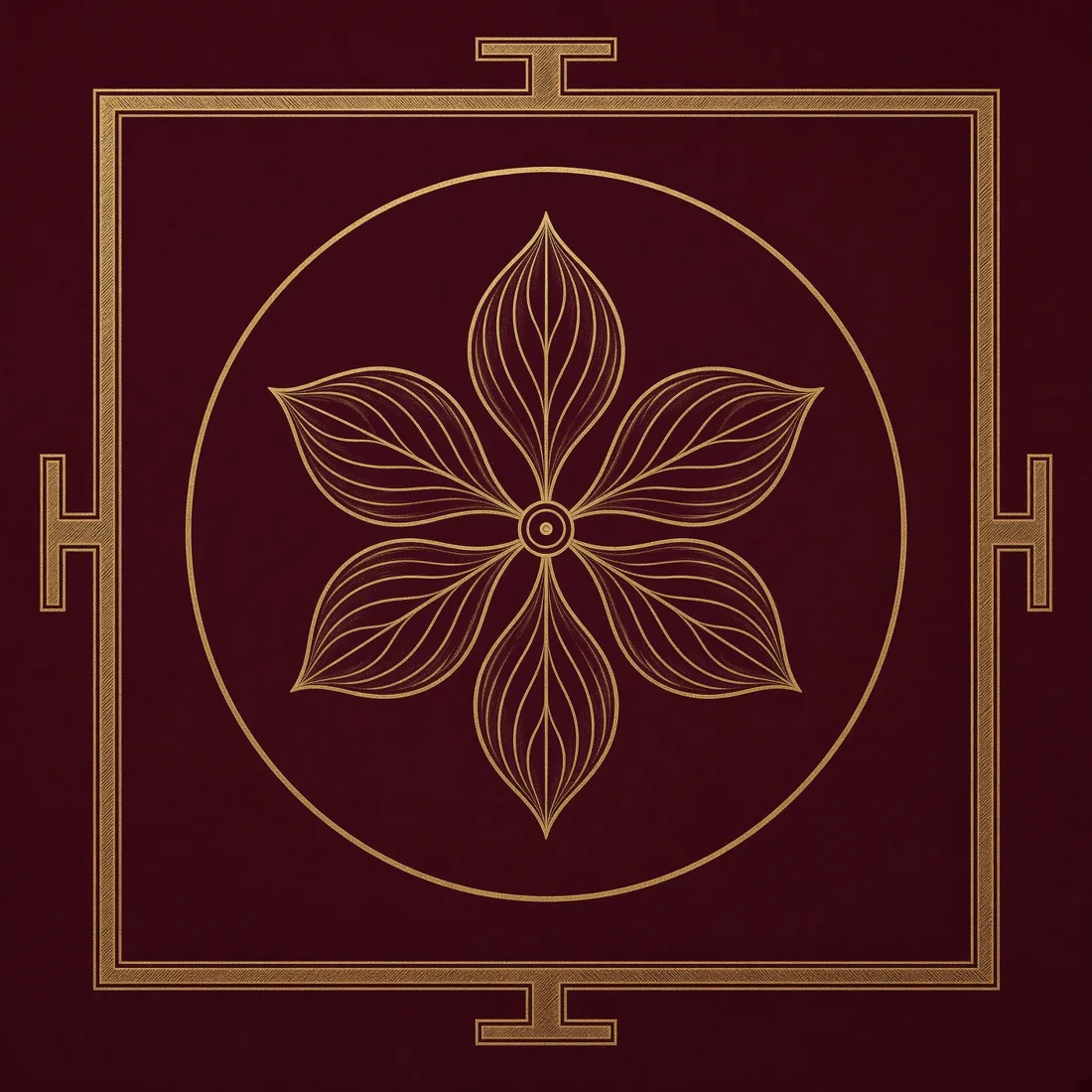
Yantra of Shri Hanuman
Shri Hanuman
Bhupura with four gates and five lotus petals around the bindu.
Mantra
ॐ हं हनुमते नमः ॥
Om Ham Hanumate Namah.
Sthapana
Place it on a Tuesday, beside the Chalisa.
Puja
Sindur, a red flower, and the bija or the Chalisa.
Phala
The tradition asks him for courage and for the service of Shri Rama.
Yantra of Shri Shani
Shri Shani
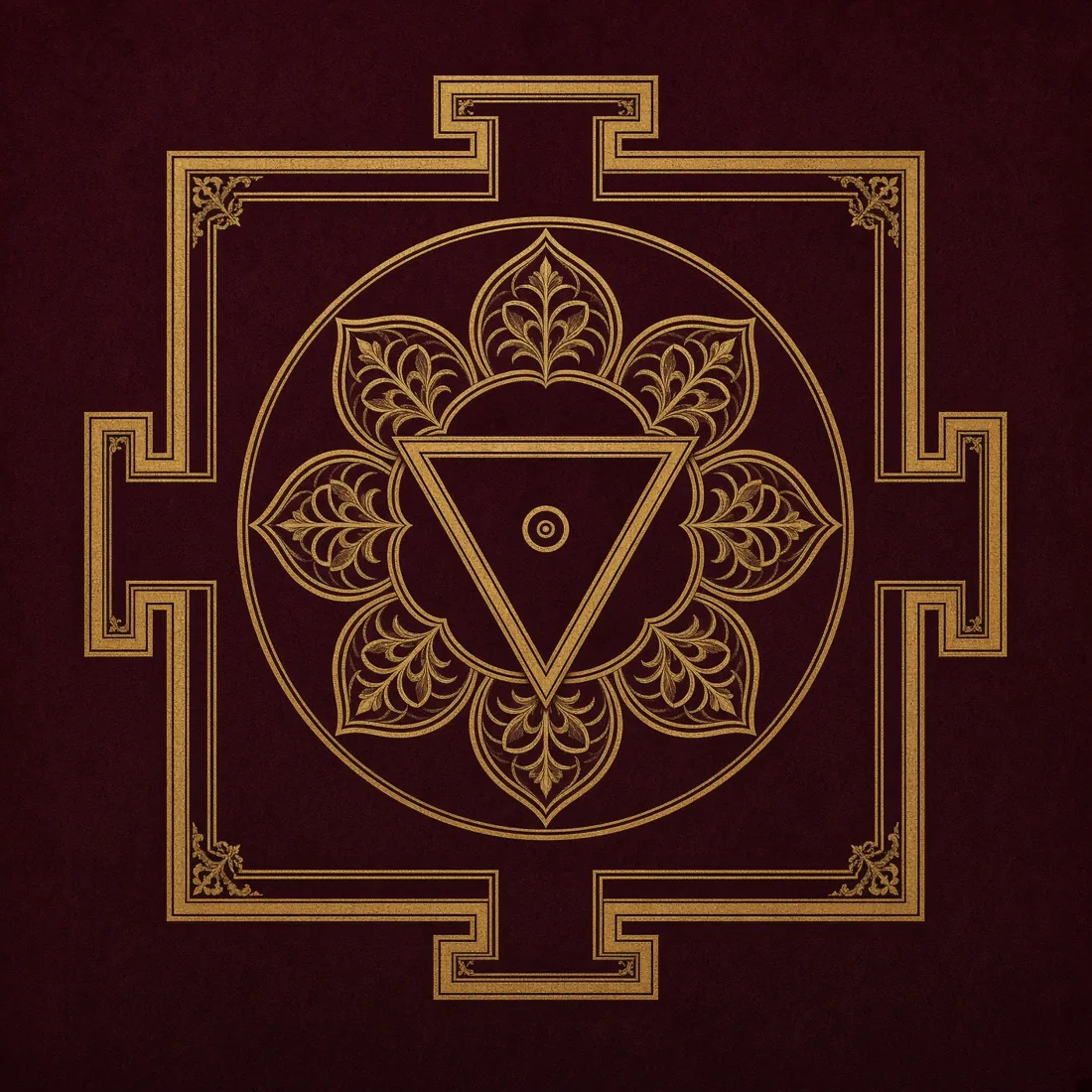
Bhupura with four gates, eight lotus petals, and one downward triangle with the bindu.
Mantra
ॐ शं शनैश्चराय नमः ॥
Om Sham Shanaishcharaya Namah.
Sthapana
Place it on a Saturday, low and clean, without fear of the deity.
Puja
Sesame oil in the lamp, a blue or black flower if the house has one, and the mantra said slowly.
Phala
The tradition asks him for a just mind and for patience under the consequence one has earned.